
Paint vs Thermoplastic Line Marking
When planning a line marking project in Western Australia, one of the biggest decisions is choosing the right material for the job. The two most common options are traditional paint line marking and thermoplastic line marking, and each has its own advantages depending on the environment, traffic conditions and long-term expectations.
At Line-Right, we provide both paint and thermoplastic line marking solutions across Perth and wider Western Australia for commercial, industrial and civil applications. While both systems are designed to improve visibility and safety, they perform very differently once applied.
Understanding the difference between the two can help property owners, facility managers and contractors choose the most suitable option for their project.
What Is Paint Line Marking?
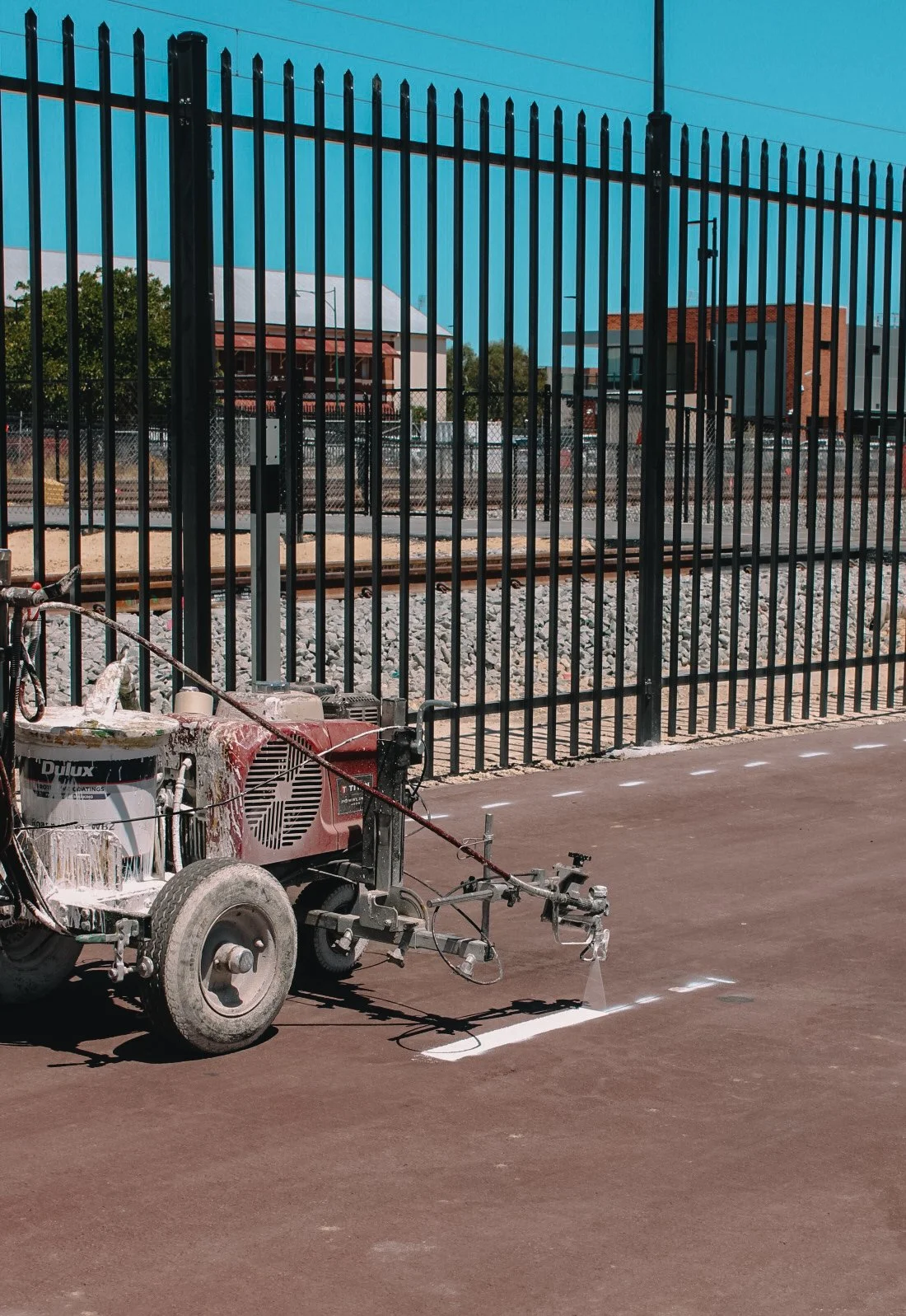
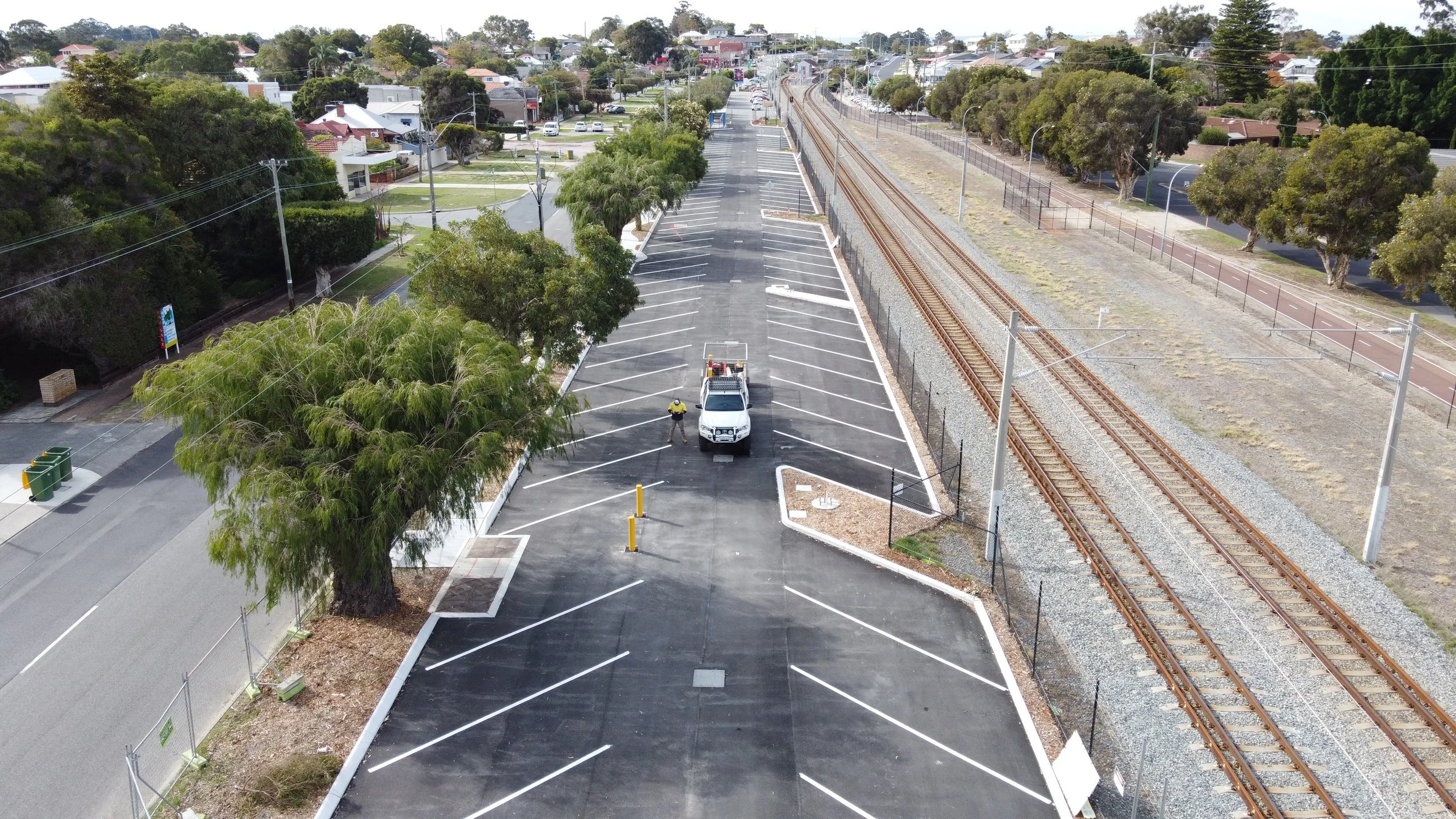
Paint line marking is one of the most widely used systems throughout Western Australia, particularly for commercial car parks, warehouses and general traffic management areas.
The process involves applying specialised road or pavement marking paint directly onto the surface. Depending on the project requirements, this may include water-based or solvent-based paints designed for different traffic conditions and durability levels.
Paint remains popular because it is:
cost-effective
fast to apply
suitable for a wide range of surfaces
ideal for maintenance and remarking projects
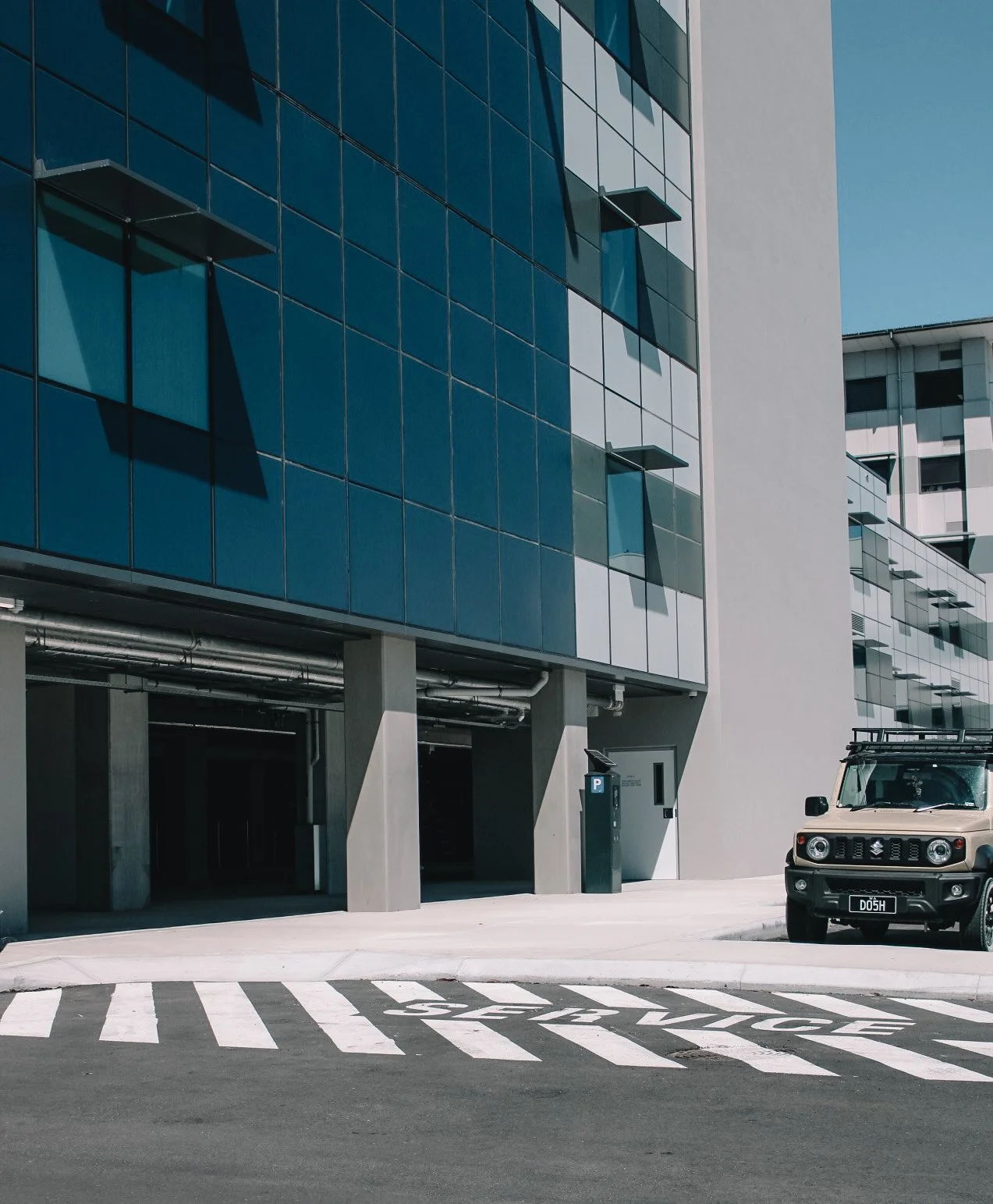
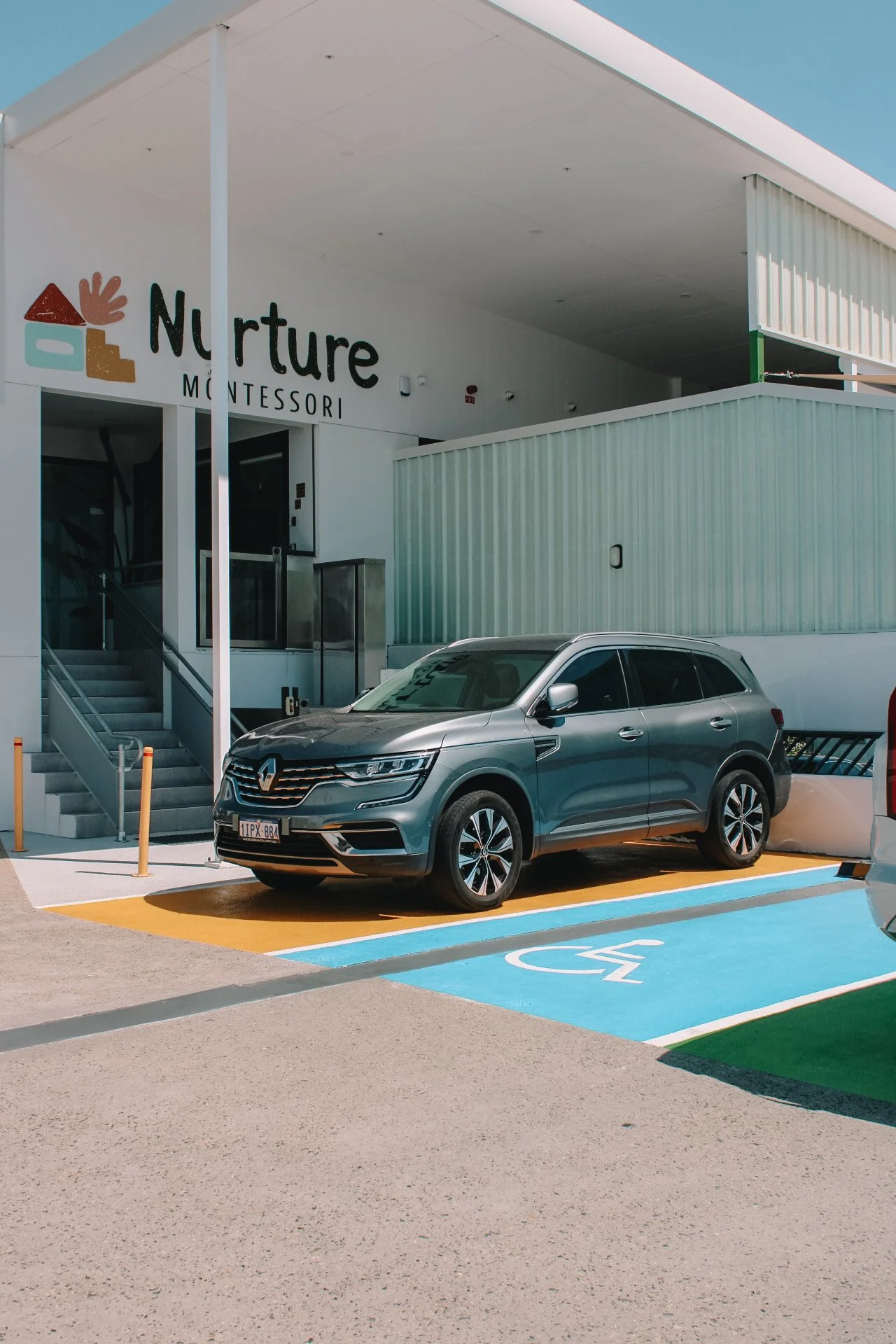
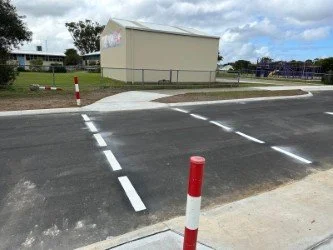
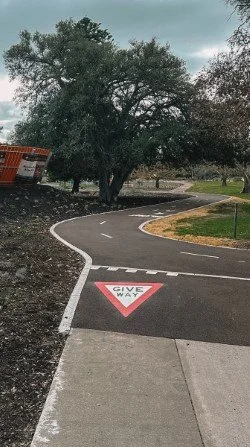
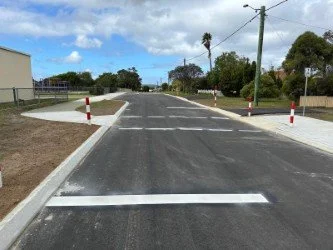
In Perth and across WA, paint line marking is commonly used for car parks, warehouse walkways, pedestrian crossings and temporary traffic layouts.
What Is Thermoplastic Line Marking?
Thermoplastic line marking is a heavier-duty system designed for high-traffic environments where durability and long-term performance are critical.
Unlike paint, thermoplastic is applied as a heated material that bonds to the surface as it cools and hardens. This creates a much thicker and more durable marking system with improved resistance to wear and traffic.
Thermoplastic markings are commonly used across Western Australia for:
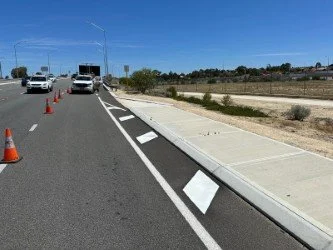
roads and highways
intersections
high-traffic commercial areas
heavy vehicle routes
long-term traffic management systems
Because of its thickness and durability, thermoplastic is often chosen for environments where standard paint would wear down too quickly.
Durability and Lifespan
One of the biggest differences between thermoplastic and paint line marking is lifespan.
Standard paint systems generally perform well in lower to moderate traffic environments, but over time they can fade due to vehicle wear, UV exposure and weather conditions. In high-traffic areas, repainting may be required more regularly to maintain visibility and presentation.
Thermoplastic, on the other hand, is designed for much longer service life. Its thicker application and stronger bond to the surface make it far more resistant to wear, particularly in busy traffic environments across Perth and Western Australia.
For this reason, thermoplastic is often selected for roads and industrial areas where durability is a major priority.
Cost Differences
Paint line marking is usually more affordable upfront, making it a practical option for many commercial and industrial properties.
For businesses that require regular layout changes or ongoing maintenance, paint can also provide greater flexibility and lower short-term costs.
Thermoplastic line marking generally involves a higher upfront investment because of the specialised materials and installation process. However, its longer lifespan can reduce maintenance frequency over time, particularly in heavy traffic areas.
In many WA projects, the decision comes down to balancing upfront budget with long-term durability requirements.
Appearance and Visibility
Both systems provide clear and effective visibility when installed correctly, but thermoplastic often delivers a more prominent finished result due to its thickness and reflective properties.
Thermoplastic markings can also incorporate reflective glass beads, which improve night-time visibility and are commonly used on roads throughout Western Australia.
Paint line marking still provides excellent visibility for many commercial and warehouse environments, particularly when maintained properly through scheduled repainting.
Which System Is Best for Your Project?
The best option depends entirely on the environment and how the area will be used.
Paint line marking is often the preferred solution for:
commercial car parks
warehouses
shopping centres
temporary traffic layouts
sites requiring regular updates
Thermoplastic line marking is typically better suited for:
roads and highways
high-traffic vehicle areas
industrial sites
heavy-duty applications
long-term infrastructure projects
Choosing the right system is less about which product is “better” overall and more about which product is best suited to the specific conditions of the site.
Climate Considerations in Western Australia
Western Australia’s climate can also influence the performance of line marking systems.
High UV exposure, heat and heavy traffic conditions can accelerate wear on lower-grade materials, particularly in exposed outdoor environments. This is why selecting the right product for WA conditions is important when planning any long-term line marking project.
For many Perth commercial properties, standard paint systems perform very effectively when combined with proper preparation and routine maintenance. In heavier-duty environments, thermoplastic may provide better long-term value due to its durability.
Final Thoughts
Both paint and thermoplastic line marking play an important role across Perth and Western Australia, and each system has advantages depending on the project requirements.
Paint remains a flexible and cost-effective solution for many commercial and industrial environments, while thermoplastic offers increased durability for high-traffic and long-term applications.
The right choice ultimately depends on traffic volume, surface conditions, budget and expected lifespan. By selecting the appropriate system for the environment, businesses and property owners can improve safety, visibility and long-term performance across their sites.
